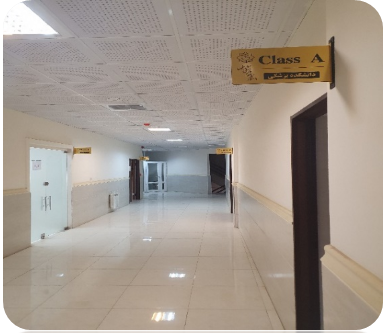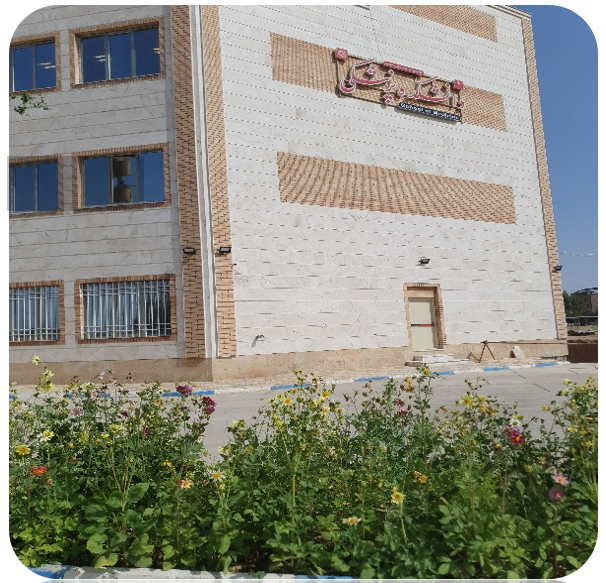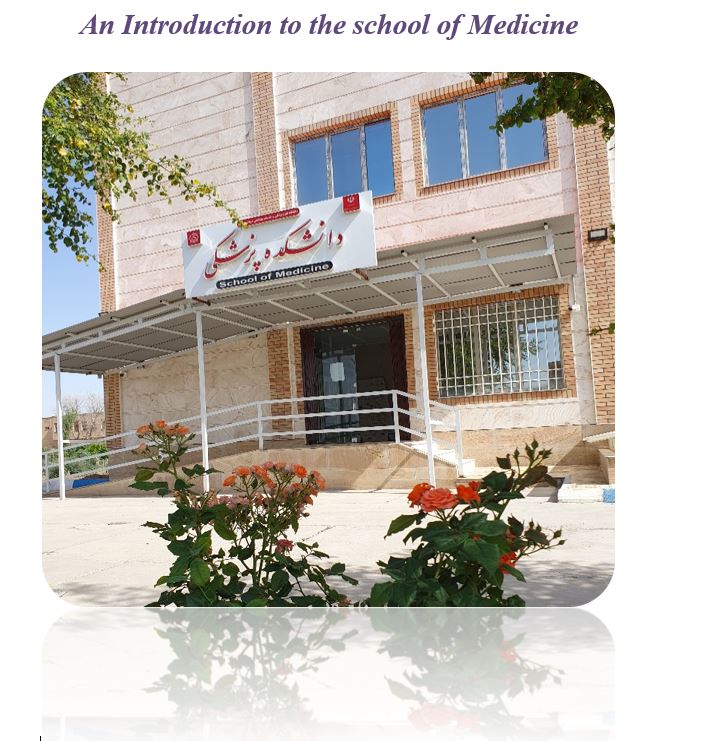
School of Medicine:
*Specialist field of internal assistant
*Specialist field of Children's assistant
*Bachelor of Public Health
Education in the discipline of medicine lasts for 7 years and it includes phases of basic sciences, semiology and physiopathology, clinical training, and internship.
Stage 1: (Basic sciences) _ (Primary stage of medical education)
This stage lasts for two years. At this stage, students pass the first phase of general, basic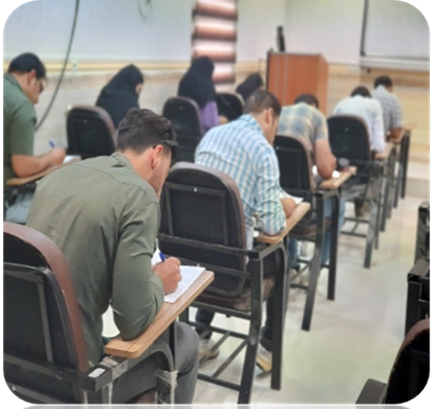 ,
,
and main courses whereby the students learn about anatomy of human body, physiology,
biologic and pathogenic factors, body defense and immune mechanisms, and hygienic issue.
Stage 2: (Semiology and physiopathology or clinical introduction)
Semiology and physiopathology are taught in the first six months of the third year of medical studies after the basic sciences
are covered in the curriculum. By this stage, students become familiar with the basic physiologic mechanisms in diseases,
their related influential factors, diseases demonstration, and diagnosis analytic method
Stage 3: (clinical training)
 The purpose of this stage is to educate medical students about diseases diagnosis from clinical
and laboratory perspectives and to guide them to acquire the required competencies, including
higher-order inference, thoughtfulness, independence, quick and accurate conclusions.
These qualifications are needed so that medical student manage to learn about the logical
and proper encounters with patients as well as prevention and treatments.
Stage 4: (internship)
In this stage, medical students are instructed about skill development and cultivation, strengthening the decision
making competencies, improving self-confidence, completing the thought cultivation by direct exposition of interns with hygiene
and treatment issues and the management of their related affairs.